The Nordic region’s leading experts in
, Organisational Behaviour Management, and Behaviour-Based Safety
Scroll

Behaviour change that works. Every time.
With surgical precision, we help organisations evolve through behaviour change. No matter what kind of change you’re looking to achieve, we’ll make it happen. Backed by 120 years of research, we’ve developed a model that delivers results—every time.
We are unique in what we do and offer expertise and experience that are unmatched in the Nordic region. We ensure that change actually happens.
50%
Increase in leader behaviour in leadership development
100%
Increase in safe behaviour at Södra Skog
-90%
Decrease in incidents in construction projects
400%
Increase in add-on sales at Tele2
Which change creates the most value for you?
We've helped drive change at organisations including:



Our Services




Work we've done
We help our clients achieve and exceed their goals. Using methods grounded in behavioural psychology, we drive change that leads to success—quickly and with clear results. Our solutions are simple, measurable, and effective across all industries. Some of Sweden’s leading companies have achieved remarkable results with our help.
-
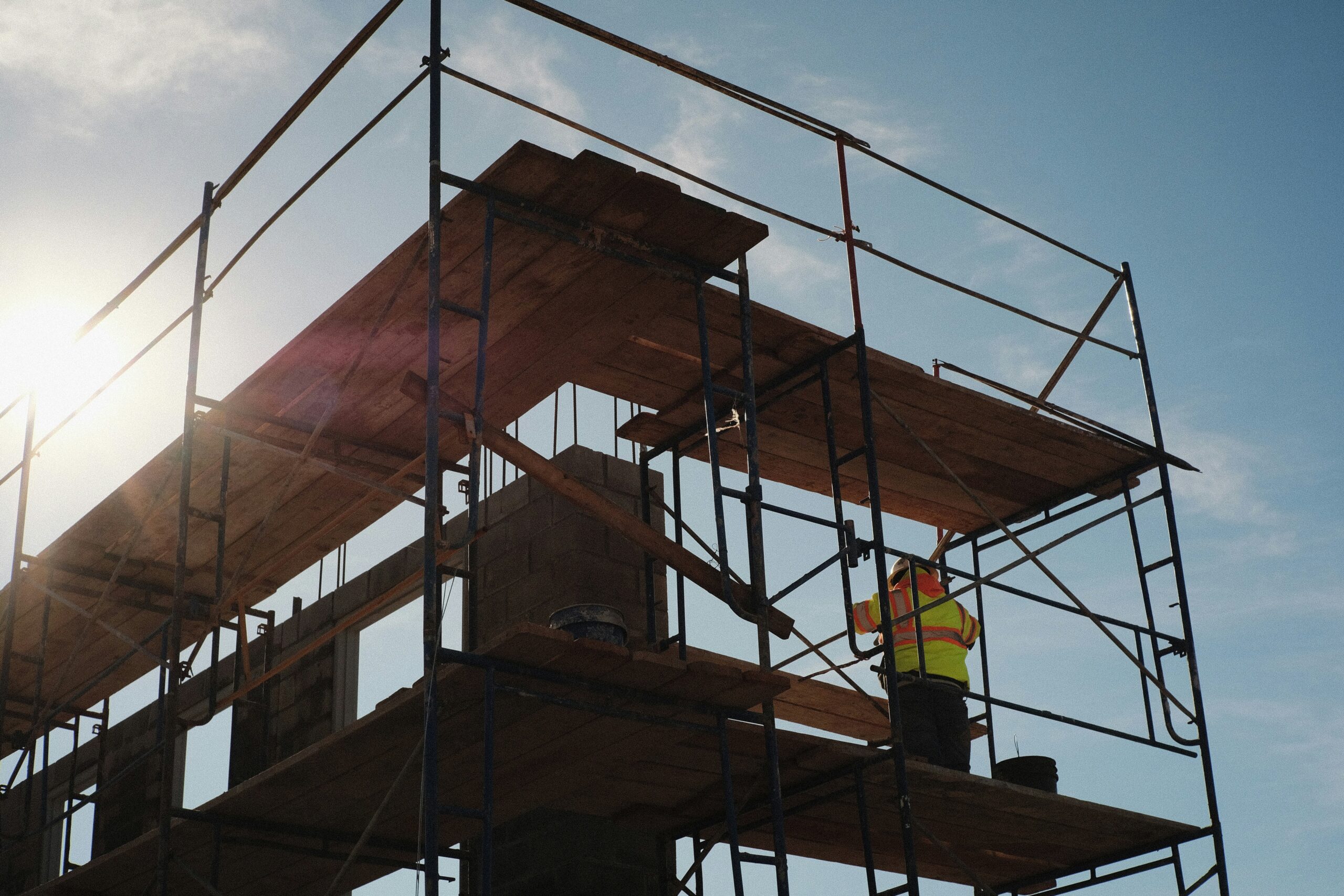

A 30% increase in compliance and reduced costs due to construction defects
Read more: Cost reductions resulting from errors, deficiencies, and damage in municipal construction projectsThe goal of this government mandate was to improve compliance with legal requirements in the control system and thereby enhance the quality of the preparation and control plans for construction projects.
-
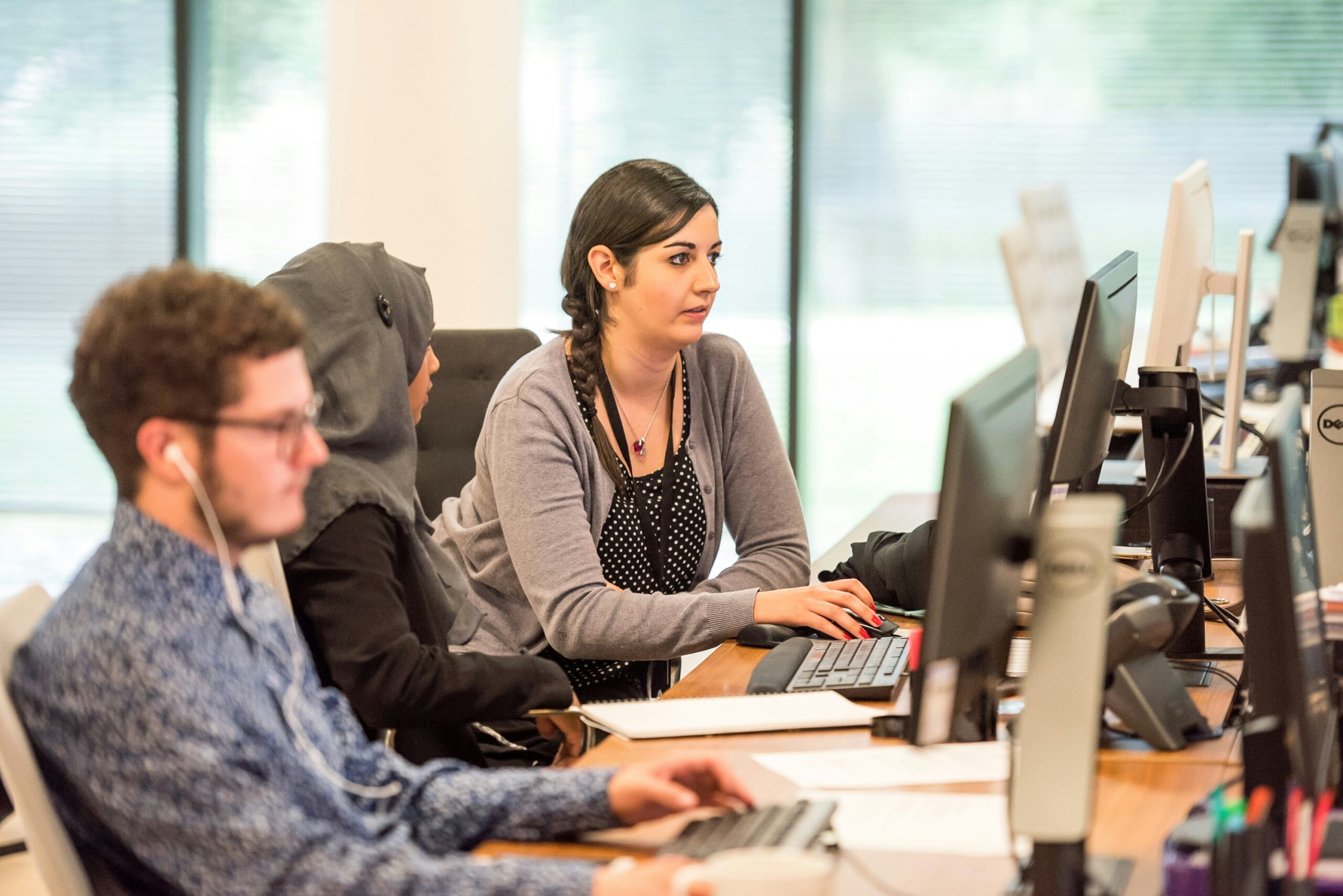

300% increase in add-on sales and customer satisfaction
Read more: Increased upselling and customer satisfactionFrom limited results to a winning strategy: the initiative boosted sales by over 300 percent, and we achieved an all-time high in customer satisfaction.
-

38% increase in leadership behaviours
Read more: Leadership Development Program at BesqabBehaviour Design Group designed a leadership program in collaboration with the housing developer Besqab with the aim of creating more effective leadership that contributes to Besqab’s overall goals.
-


44% increase in perceived inclusion
Read more: An Inclusive Workplace at ByggmästargruppenByggmästargruppen took on the challenges facing the construction industry related to macho culture and a lack of inclusion, with the goal of creating an inclusive culture and being an attractive employer.
Frequently Asked Questions
-
How do we get started with OBM—Organisational Behaviour Management?
Schedule an initial meeting with Behaviour Design Group, and we’ll discuss how we can best work together based on your needs. In our organisational development initiatives, we follow the 4-step SAFE model to implement OBM in practice—read more about this under Our Method.
-
What is the difference between behaviour-based safety (BBS) and Organisational Behaviour Management (OBM)?
Behaviour-Based Safety (BBS) is an approach within OBM where we focus on safety culture by promoting safe behaviours and thereby measurably reducing the number of accidents and near misses. BBS follows the same change process as OBM, with the difference that the goal is specifically to improve safety and strengthen safety culture. Our BBS projects also involve creating favorable conditions for safe behaviours by analysing and influencing organisational, competency-related, and structural factors.
-
Does Organisational Behaviour Management (OBM) work?
Organisational Behaviour Management (OBM) is a practical and 100% evidence-based approach that focuses on identifying and changing behaviors that produce desired results. We have helped hundreds of companies and organisations change behaviours related to areas such as sales, customer service, safety, and employee engagement—and have yet to encounter a single case where OBM has not worked.
-
Does Behaviour Design Group offer organisational development services?
Yes—all of our services are related to organisational development, so this is our umbrella term for everything we do. Under “Our Services,” you’ll find leadership and employee development, change management initiatives where we help you achieve your strategic goals, organisational culture transformation, and training programs. If you’re unsure which option is best for you, don’t hesitate to reach out—we tailor all our solutions to our clients’ needs.
-
What is Organisational Behaviour Management (OBM)?
Organisational Behaviour Management (OBM) is a concrete and 100% evidence-based approach that focuses on identifying and changing behaviours that produce desired results. By identifying and defining the behaviours that produce desired results, we can accurately create better conditions and reinforce these behaviours, while simultaneously reducing unwanted behaviours that hinder those results. Through behavioral analysis, leaders can learn to influence the motivation behind these behaviours.
-
How does Behaviour Design Group ensure that we achieve the desired impact in our organisation?
To achieve your desired results, we will reinforce the behaviours that have the greatest impact on those results. Our method measures and tracks behavioural changes over time, while also monitoring whether the key performance indicators directly linked to the goals are improving as a result of those behavioural changes. This means we will be able to track improvements through concrete metrics throughout the entire process.
-
How does Behaviour Design Group tailor its services to our needs?
We begin new projects by familiarizing ourselves with the specific assignment at hand, and we have well-developed methods and approaches designed to help us gain a deep understanding of your particular situation and current conditions, as well as to define the goals you wish to achieve. We implement OBM based on our SAFE model, where the first phase—Study—involves identifying the key situations and behaviours that have the greatest impact on the results you want to achieve within your organisation. You can read about completed projects in the Case section.
-
What industries does Behaviour Design Group work with?
Our method—Organisational Behaviour Management (OBM), including its Behaviour-Based Safety (BBS) branch—can be applied in all industries and situations involving people and behaviour. That is why our range of services and our experience are so broad. We work on everything from increasing sales, improving collaboration, and fostering innovation in business, healthcare, and education, to enhancing safety in the construction and manufacturing industries.
Do you have any more questions?
Contact us and we'll be in touch.